Innovations in Pipeline Technology for Natural Gas Transportation
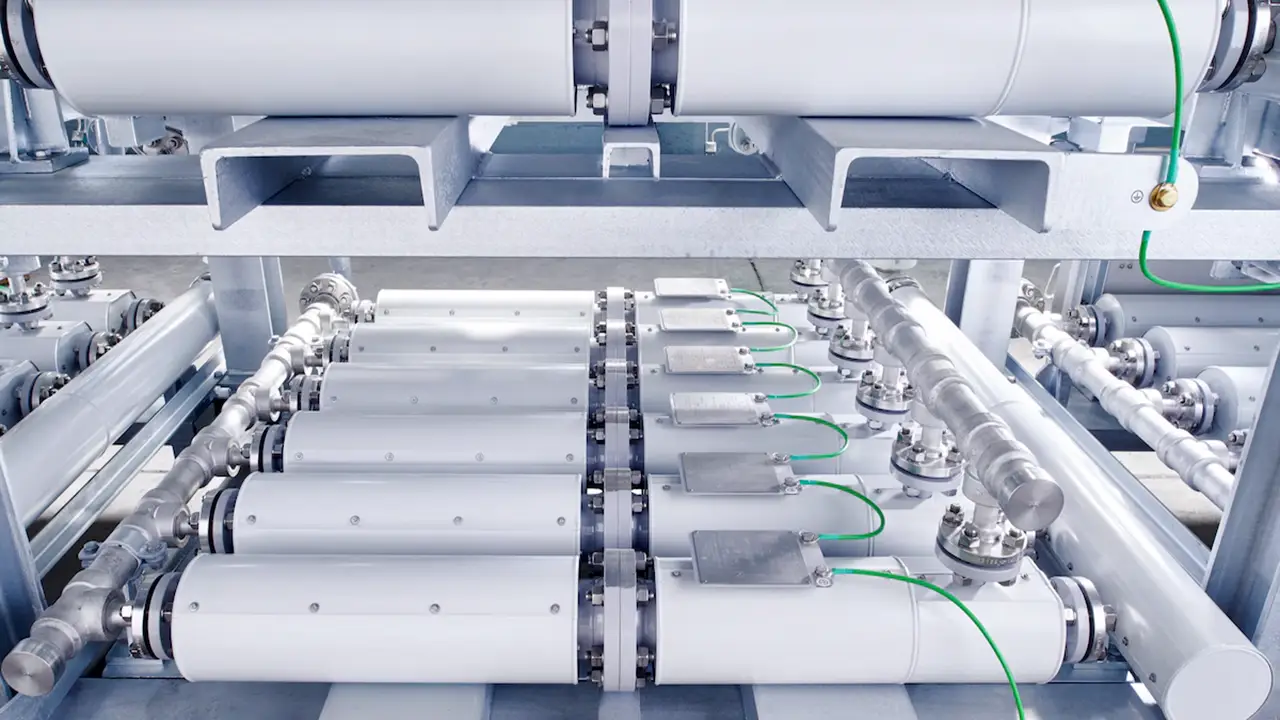
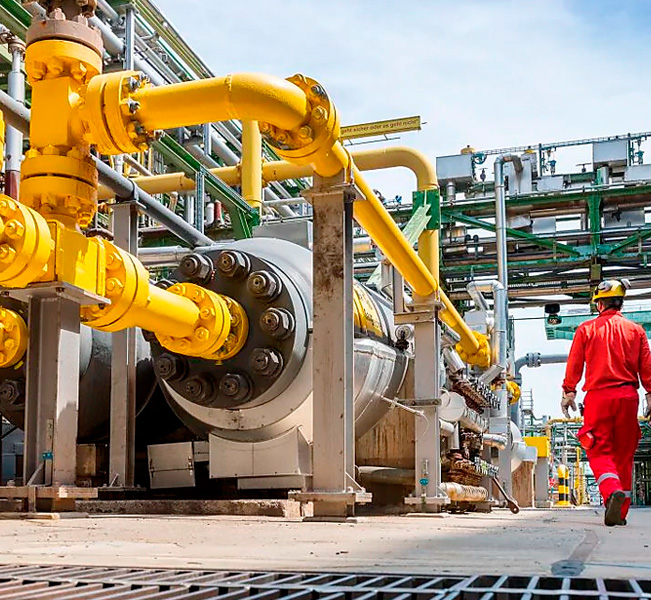
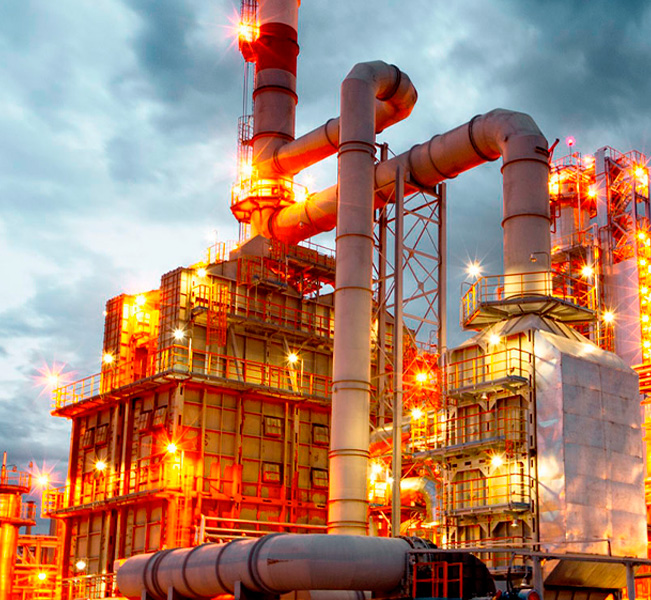
Pipelines remain the backbone of natural gas transportation, especially for domestic and regional distribution. Recent advances in pipeline technology have focused on improving safety, efficiency, and environmental sustainability. Innovations in materials, such as high-strength steel and composite materials, have enhanced the durability and longevity of pipelines, reducing the risk of leaks and failures.
Additionally, modern pipeline designs incorporate advanced monitoring systems that use sensors and data analytics to detect potential issues before they become serious problems. These systems can identify changes in pressure, temperature, and flow rates, allowing operators to take preventive action and avoid costly disruptions.
Addressing Environmental and Safety Concerns
Environmental and safety concerns are paramount in the design and operation of natural gas pipelines. Leaks and ruptures not only pose a risk to public safety but also contribute to greenhouse gas emissions, particularly methane, which is a potent contributor to climate change. To address these concerns, the industry has developed technologies like automatic shut-off valves and real-time monitoring systems that can quickly isolate and mitigate potential hazards.
Moreover, pipeline operators are increasingly adopting practices that minimize environmental impact, such as using horizontal drilling techniques to avoid sensitive ecosystems and implementing rigorous maintenance schedules to ensure pipeline integrity. The push towards more sustainable practices is also driving research into alternative materials and coatings that reduce corrosion and extend the lifespan of pipelines.
Expert Opinion on Future Pipeline Technologies
Dr. Richard Lee, a professor of mechanical engineering with a focus on energy infrastructure, sees significant potential in the future of pipeline technology. “The integration of digital technologies, such as the Internet of Things (IoT) and artificial intelligence (AI), is revolutionizing pipeline operations. These technologies enable more precise monitoring and control, reducing the likelihood of accidents and improving overall efficiency.”
Prepare Documentation
Industry Standard Dummy
Brand Consistency
Dr. Lee also notes the importance of continued research into environmentally friendly materials and coatings. “As we move towards a more sustainable energy future, the materials used in pipeline construction will play a crucial role. Research into biodegradable coatings and non-metallic pipelines could lead to significant reductions in environmental impact, making natural gas transportation safer and more sustainable in the long term.”