The Evolution of Natural Gas Transportation Infrastructure
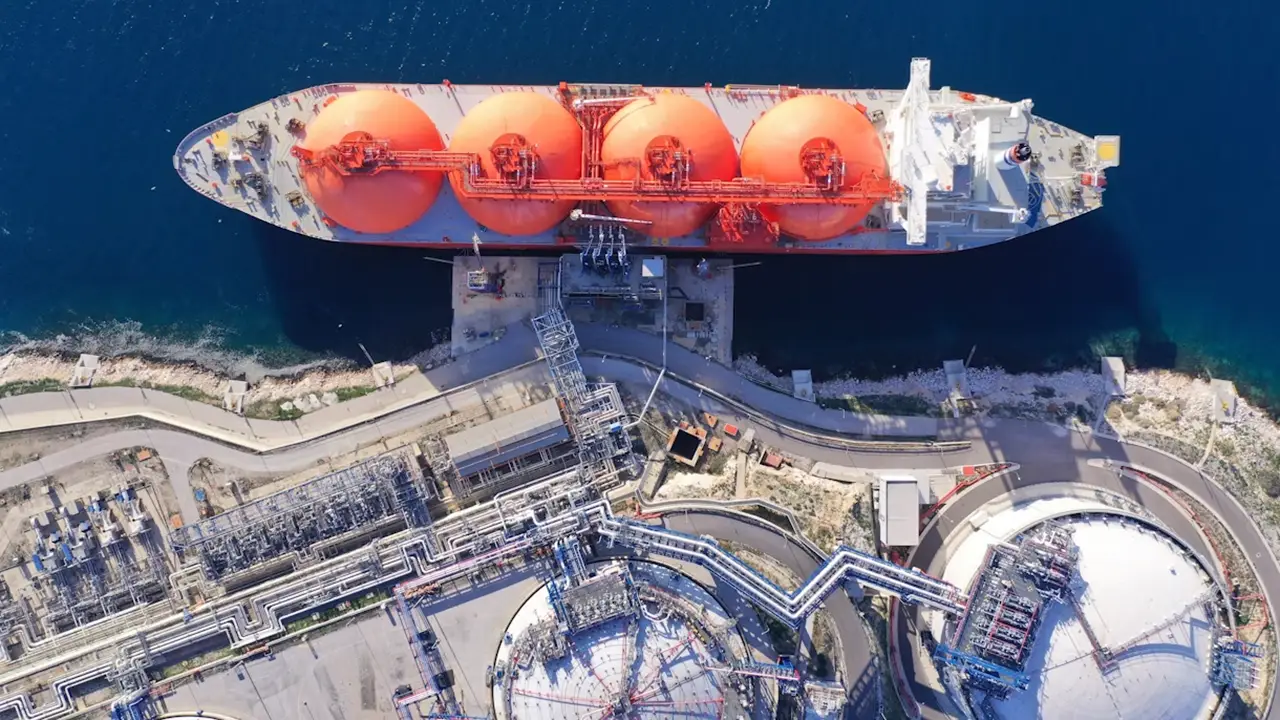
Natural gas, a cornerstone of the global energy supply, requires a complex and highly specialized transportation infrastructure to move from production sites to consumers. The transportation process includes pipelines, liquefied natural gas (LNG) carriers, and compressed natural gas (CNG) systems. Each mode plays a vital role in ensuring a steady supply of natural gas to meet global energy demands.
Pipelines are the most common and efficient way to transport natural gas, particularly over land. They connect natural gas fields to processing plants and distribution networks. However, the limitations of pipelines, such as geographical constraints and high upfront costs, have led to the development of alternative transportation methods like LNG and CNG.
“The LNG market is growing rapidly, but it's also becoming increasingly competitive. To succeed, exporters need to focus on cost efficiency, reliability, and flexibility in their operations.” James Peterson
Market Dynamics and Competition
The LNG market is highly competitive, with key players including the United States, Qatar, and Australia vying for market share. The emergence of the U.S. as a major LNG exporter has reshaped the global energy landscape, offering new supply options for countries looking to reduce their dependence on traditional gas exporters like Russia.
However, the LNG market faces challenges such as price volatility and geopolitical risks. The cost of LNG is influenced by factors like production costs, transportation expenses, and global demand fluctuations. Additionally, geopolitical tensions can disrupt supply chains, as seen in recent years with disputes in the South China Sea and sanctions on certain countries.
Expert Opinion on Market Trends
James Peterson, a leading analyst in energy markets, believes that LNG will continue to play a pivotal role in the global natural gas market, but with some caveats. “The LNG market is growing rapidly, but it’s also becoming increasingly competitive. To succeed, exporters need to focus on cost efficiency, reliability, and flexibility in their operations.”
Prepare Documentation
Industry Standard Dummy
Brand Consistency
Peterson also highlights the importance of environmental considerations in the LNG market. “As the world moves towards greener energy, LNG producers must address the carbon footprint of their operations. Innovations in carbon capture and storage, as well as improvements in the energy efficiency of liquefaction and shipping processes, will be crucial in maintaining the competitiveness of LNG in a low-carbon future.”