The Impact of Geopolitics on Natural Gas Transportation
Geopolitics plays a crucial role in shaping the landscape of natural gas transportation. The location of natural gas reserves, the routes of pipelines, and the strategic importance of certain regions all contribute to the complex interplay between energy supply and international relations. Countries with significant natural gas reserves, like Russia, Qatar, and Iran, often use their resources as tools of diplomacy and influence, affecting global supply chains and market stability.
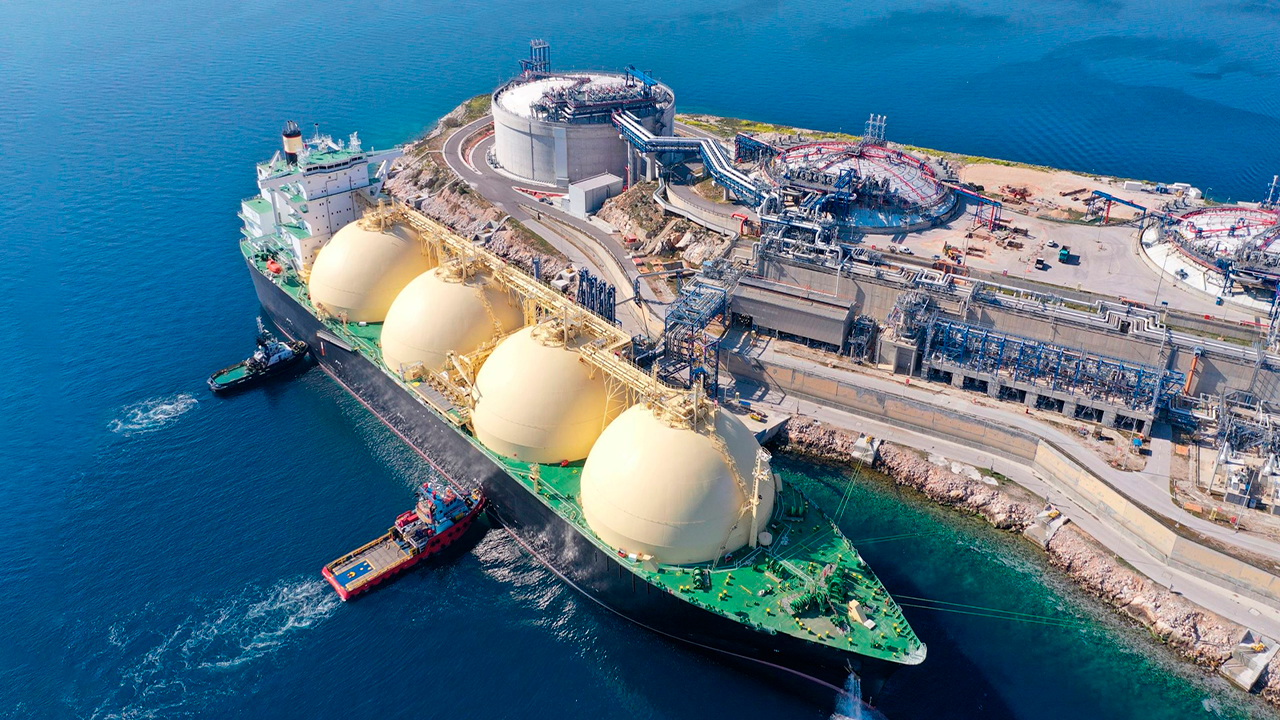
For instance, the construction of pipelines such as Nord Stream and TurkStream has been deeply influenced by geopolitical considerations, with countries like the United States and members of the European Union expressing concerns over energy security and dependency on Russian gas. Similarly, territorial disputes in the South China Sea and tensions in the Middle East can disrupt LNG supply routes, leading to price volatility and supply uncertainties.
“Countries need to invest in a diversified portfolio of energy supply options, including multiple pipeline routes, LNG imports, and domestic production. This diversification helps to reduce dependency on any single source or route, making the energy supply chain more resilient to geopolitical disruptions.” Dr. Sarah Johnson
Case Studies of Geopolitical Disruptions
Several recent examples illustrate how geopolitical tensions can disrupt natural gas transportation. The annexation of Crimea by Russia in 2014 led to a reconfiguration of gas supply routes to Europe, with increased scrutiny on the security of pipeline infrastructure. The ongoing conflict in Ukraine has further exacerbated these concerns, highlighting the vulnerability of gas supply lines to political instability.
Another case is the blockade of Qatar by neighboring Gulf countries in 2017, which temporarily disrupted the country’s LNG exports. Although Qatar managed to reroute its LNG shipments, the incident underscored the risks associated with geopolitical conflicts in key energy-producing regions. These disruptions can have far-reaching effects on global energy markets, influencing prices and prompting countries to seek alternative supply sources.
Expert Opinion on Mitigating Geopolitical Risks
Dr. Sarah Johnson, a specialist in energy security and geopolitics, believes that diversifying energy supply sources and routes is critical to mitigating the risks posed by geopolitical tensions. “Countries need to invest in a diversified portfolio of energy supply options, including multiple pipeline routes, LNG imports, and domestic production. This diversification helps to reduce dependency on any single source or route, making the energy supply chain more resilient to geopolitical disruptions.”
Prepare Documentation
Industry Standard Dummy
Brand Consistency
Dr. Johnson also advocates for stronger international cooperation in securing energy infrastructure. “Collaborative efforts, such as joint investments in pipeline security and shared LNG infrastructure, can help to protect critical energy routes from geopolitical risks. Additionally, diplomatic engagement and conflict resolution mechanisms are essential to maintaining stability in key energy-producing regions.”