Environmental Considerations in Natural Gas Transportation
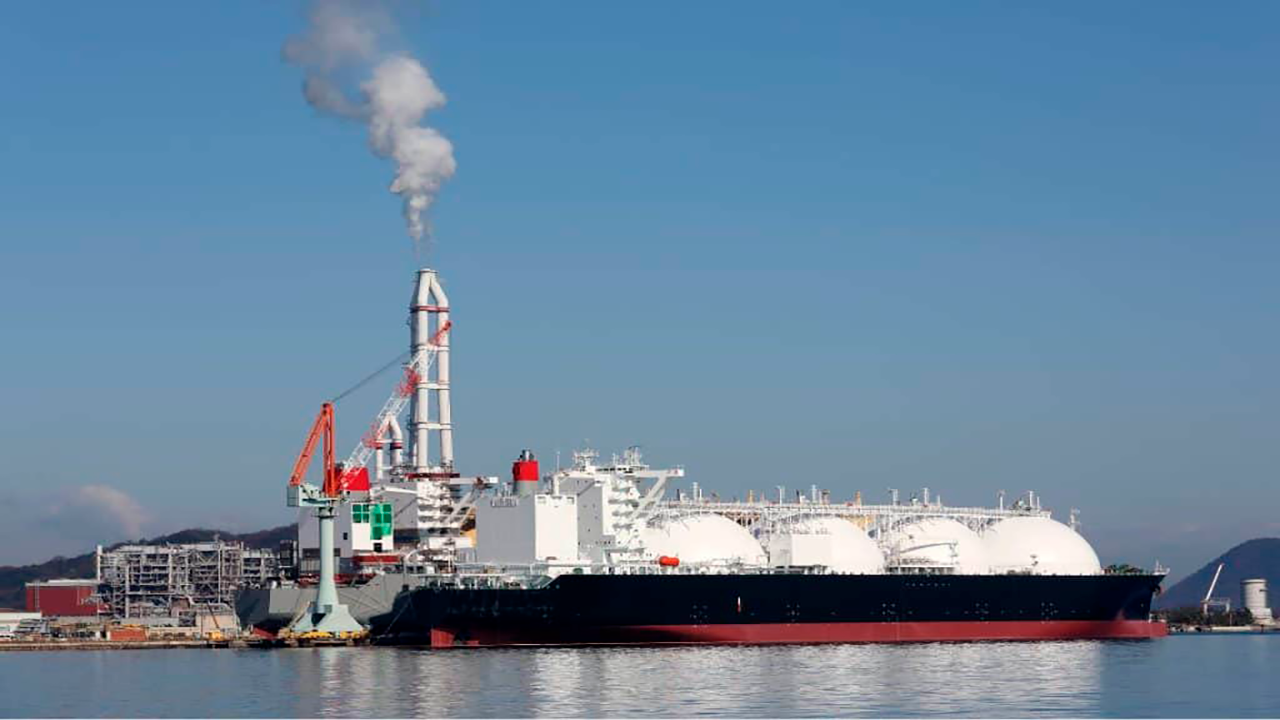
The transportation of natural gas, while essential for meeting global energy demands, has significant environmental implications. Methane, the primary component of natural gas, is a potent greenhouse gas with a global warming potential many times higher than carbon dioxide. Leaks during transportation, whether from pipelines, LNG facilities, or CNG systems, can contribute to greenhouse gas emissions, exacerbating climate change.
In addition to methane emissions, the construction and operation of natural gas infrastructure can have environmental impacts, including habitat disruption, water usage, and energy consumption. The liquefaction process for LNG, in particular, is energy-intensive, requiring large amounts of energy to cool natural gas to cryogenic temperatures. Similarly, the compression of natural gas for CNG involves significant energy input, contributing to the overall carbon footprint of natural gas transportation.
“Reducing the environmental impact of natural gas transportation requires a combination of technological innovation, regulatory frameworks, and industry best practices. Advanced monitoring technologies, combined with strict regulatory oversight, can help to ensure that emissions are minimized across the entire supply chain.” Dr. Mark Evans
Growth and meaning of mechanical technology
To address these environmental concerns, the natural gas industry is adopting a range of strategies aimed at reducing emissions and minimizing the ecological footprint of transportation infrastructure. One key approach is the implementation of advanced leak detection and repair (LDAR) programs, which use sensors and drones to monitor pipelines and facilities for leaks. By detecting and repairing leaks promptly, these programs can significantly reduce methane emissions.
Another strategy is the integration of renewable energy sources into the natural gas transportation process. For example, LNG facilities can be powered by renewable electricity, reducing the carbon intensity of liquefaction. Similarly, pipelines can be equipped with solar-powered monitoring systems, decreasing the reliance on fossil fuels for operational energy needs.
Expert Opinion on Sustainable Transportation Practices
Dr. Mark Evans, an environmental engineer specializing in energy systems, emphasizes the importance of a holistic approach to sustainability in natural gas transportation. “Reducing the environmental impact of natural gas transportation requires a combination of technological innovation, regulatory frameworks, and industry best practices. Advanced monitoring technologies, combined with strict regulatory oversight, can help to ensure that emissions are minimized across the entire supply chain.”
Prepare Documentation
Industry Standard Dummy
Brand Consistency
Dr. Evans also highlights the role of carbon offset programs in achieving sustainability goals. “While reducing emissions at the source is critical, carbon offset programs can play a complementary role in mitigating the environmental impact of natural gas transportation. By investing in reforestation, renewable energy projects, and carbon capture and storage, the industry can offset the emissions that are currently unavoidable, moving closer to a net-zero future.”