The Future of Natural Gas Transportation in a Decarbonizing World
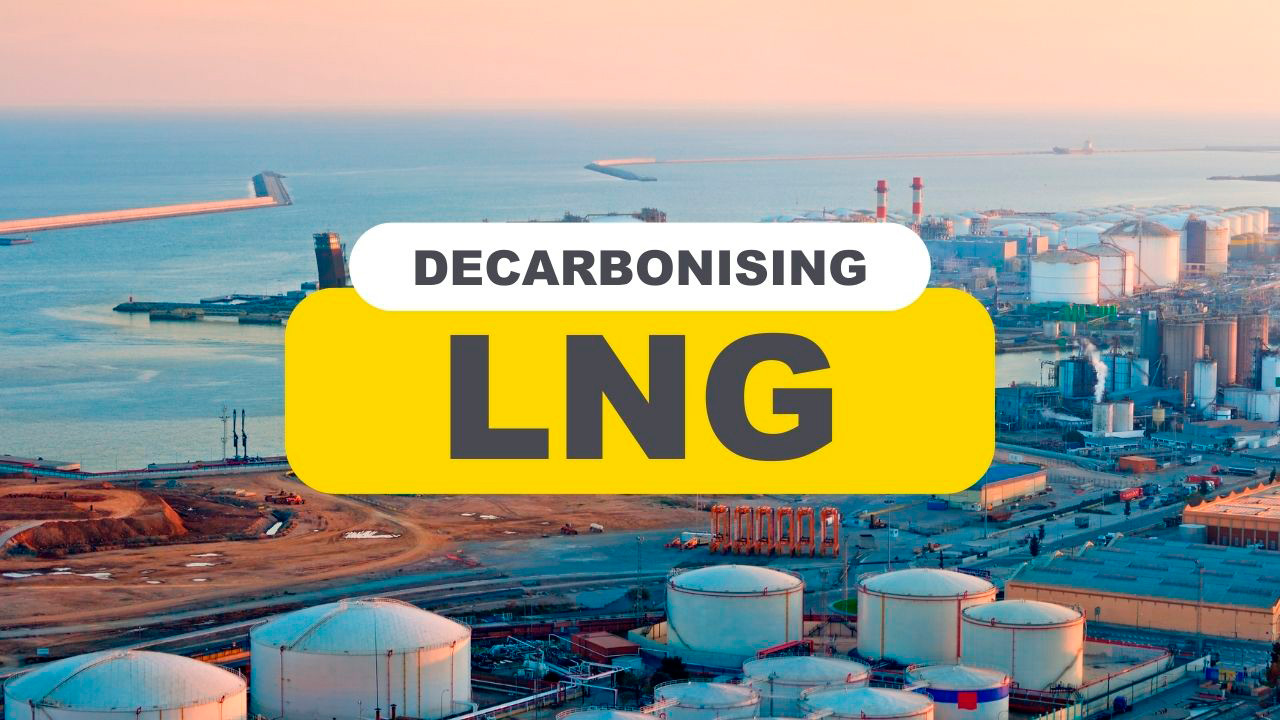
As the world moves towards decarbonization, the role of natural gas in the global energy mix is evolving. While natural gas is often touted as a “bridge fuel” in the transition to a low-carbon economy, its future in a fully decarbonized world is uncertain. The transportation of natural gas, in particular, faces scrutiny as countries and companies look to reduce their carbon footprints and comply with increasingly stringent climate targets.
Natural gas transportation is seen as both a challenge and an opportunity in the context of the energy transition. On one hand, the emissions associated with transporting natural gas—through pipelines, LNG, and CNG—must be addressed to align with climate goals. On the other hand, natural gas infrastructure can potentially be repurposed for transporting lower-carbon fuels, such as hydrogen or biogas, in the future.
“The future of natural gas transportation lies in its ability to adapt to a low-carbon economy. This means not only reducing emissions associated with current operations but also preparing infrastructure for the transport of low-carbon fuels like hydrogen and biogas.” Dr. Laura Mitchell
Innovations in Decarbonizing Natural Gas Transportation
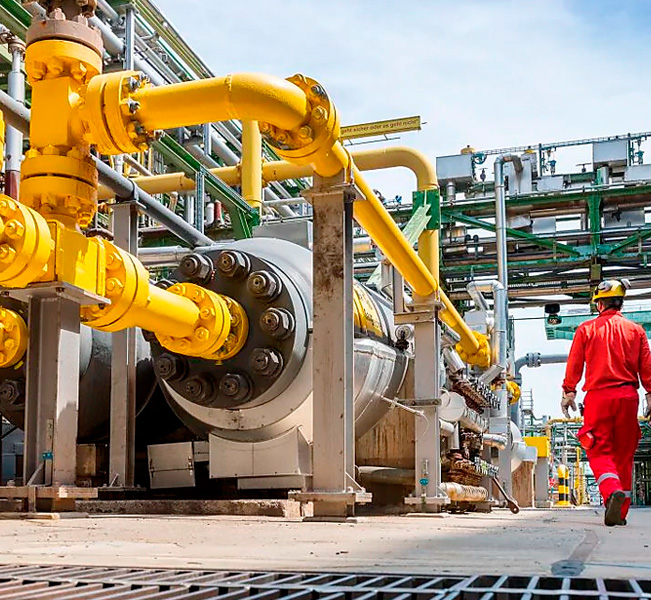
The industry is exploring a range of innovations aimed at reducing the carbon intensity of natural gas transportation. One promising area is the development of hydrogen-compatible pipelines, which could allow existing natural gas infrastructure to be used for transporting hydrogen, a key fuel in a decarbonized energy system. Some companies are already conducting trials to blend hydrogen with natural gas in pipelines, gradually increasing the hydrogen content as technology and infrastructure evolve.
Another area of innovation is the use of carbon capture, utilization, and storage (CCUS) technologies in LNG facilities. By capturing the carbon dioxide emissions produced during the liquefaction process and either storing it underground or using it in industrial processes, LNG producers can significantly reduce their carbon footprint. Additionally, advances in ship design and fuel efficiency are helping to lower the emissions associated with LNG transportation by sea.
Expert Opinion on the Future of Gas Transportation
Dr. Laura Mitchell, an expert in energy transitions, believes that natural gas transportation will undergo significant changes in the coming decades as the world moves towards decarbonization. “The future of natural gas transportation lies in its ability to adapt to a low-carbon economy. This means not only reducing emissions associated with current operations but also preparing infrastructure for the transport of low-carbon fuels like hydrogen and biogas.”
Prepare Documentation
Industry Standard Dummy
Brand Consistency
Dr. Mitchell also notes the importance of policy and regulatory support in driving these changes. “Government policies and international agreements will play a crucial role in shaping the future of natural gas transportation. Support for research and development, as well as incentives for the adoption of low-carbon technologies, will be essential in ensuring that the natural gas industry can contribute positively to the global energy transition.”