

Natural Gas Transportation in the Oil and Gas Market: An Overview
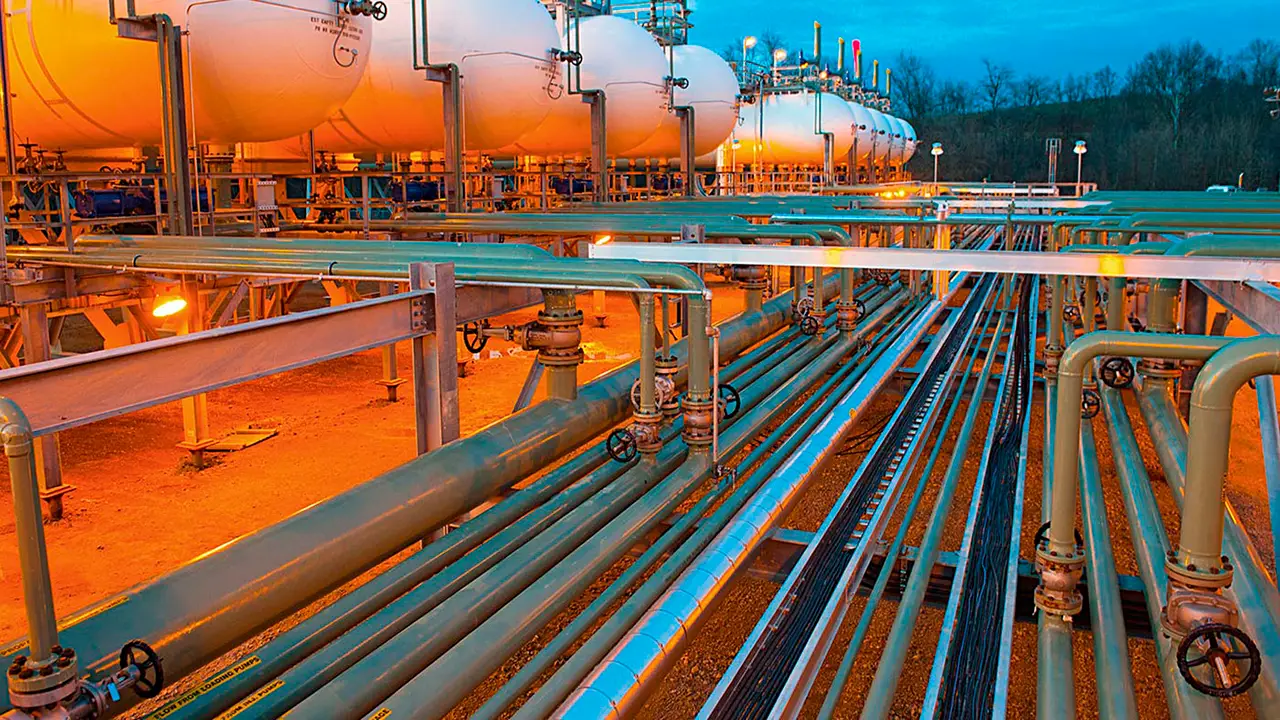
The transportation of natural gas is a critical component of the oil and gas industry, facilitating the movement of gas from production sites to consumption centers. Natural gas, a key energy resource, must be efficiently and safely transported to meet global energy demands. The transportation process involves various methods, each tailored to specific logistical and geographical challenges. The primary modes of natural gas transportation include pipelines, liquefied natural gas (LNG) tankers, and compressed natural gas (CNG) systems.
At vero eos et accusamus et iusto odio dignissimos ducimus qui blanditiis praesentium voluptatum deleniti atque corrupti quos dolores et quas molestias excepturi sint occaecati cupiditate non provident, similique sunt in culpa qui officia deserunt mollitia animi, id est laborum et dolorum fuga harum quidem rerum facilis est et expedita distinctio.
Current Trends and Challenges in Natural Gas Transportation
The natural gas transportation sector is undergoing significant changes driven by technological advancements, regulatory shifts, and market dynamics. One of the most notable trends is the increasing investment in LNG infrastructure, reflecting the growing demand for natural gas in Asia and Europe. LNG allows for the transportation of natural gas over vast distances, making it a key component in global energy trade.
However, the industry faces several challenges. Environmental concerns and the push for decarbonization have placed pressure on the natural gas sector to reduce emissions associated with transportation. Methane leaks from pipelines and LNG operations are a significant environmental concern, leading to stricter regulations and the development of more advanced monitoring technologies.
Geopolitical factors also play a critical role in natural gas transportation. Political instability in key transit regions, such as the Middle East and Eastern Europe, can disrupt supply chains and impact global gas prices. The ongoing shift towards renewable energy sources adds another layer of complexity, as the industry must adapt to changing energy mixes and the potential decline in natural gas demand in the long term.
Future Outlook and Innovations in Natural Gas Transportation
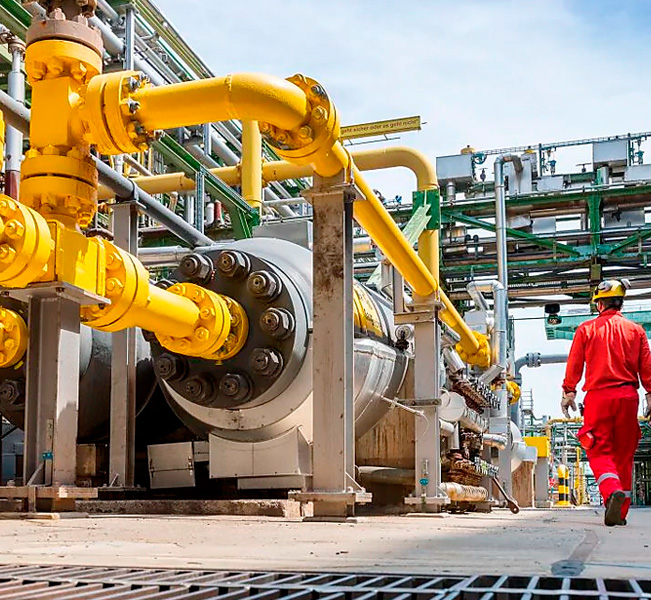
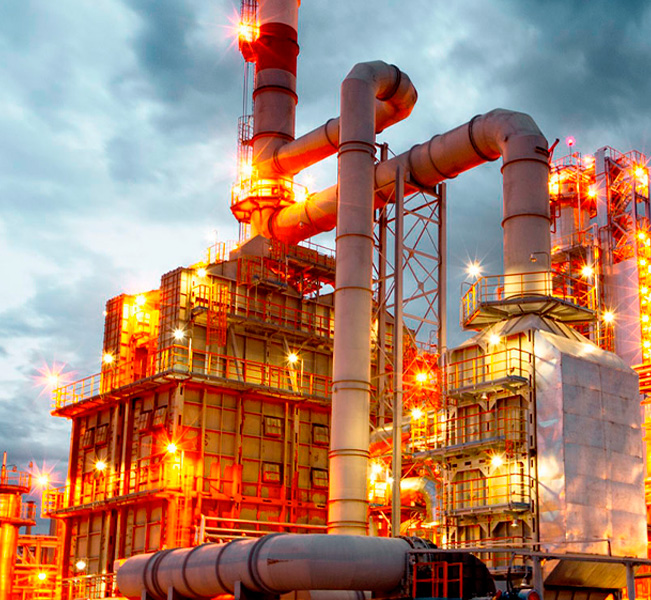
The future of natural gas transportation is poised for further innovation and transformation. With the global energy transition underway, the industry is exploring new technologies to enhance efficiency, reduce environmental impact, and ensure the security of supply. One promising development is the adoption of hydrogen as a complementary energy carrier. Existing natural gas pipelines are being retrofitted to accommodate hydrogen, creating a hybrid infrastructure that can support the gradual shift to a hydrogen economy.
Additionally, digitalization is revolutionizing the natural gas transportation sector. Advanced analytics, AI-driven monitoring systems, and blockchain technology are being integrated into pipeline and LNG operations to improve safety, optimize routes, and enhance transparency in transactions. These innovations not only improve operational efficiency but also help in complying with stringent environmental regulations.
The expansion of LNG infrastructure is expected to continue, particularly in emerging markets where energy demand is rising rapidly. Floating LNG (FLNG) facilities are gaining traction as they offer flexibility and cost savings by eliminating the need for extensive onshore infrastructure.
In conclusion, while the natural gas transportation sector faces significant challenges, it is also an area of substantial opportunity. By embracing technological advancements and adapting to evolving market conditions, the industry can continue to play a vital role in the global energy landscape, even as the world transitions towards cleaner energy sources.